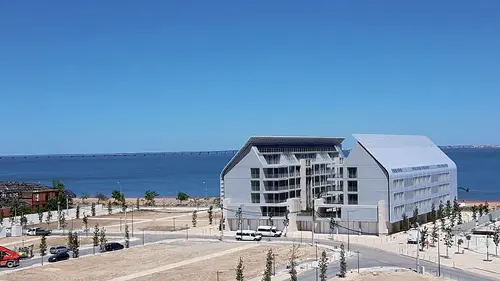
The redevelopment of Pico Airport in the Azores, a project that transformed the facility into a durable, sustainable and landscape-integrated gateway to the island. Facing harsh Atlantic conditions, the intervention relied on advanced Mapei and Polyglass technologies, including FPO/TPO synthetic membranes which ensured long-lasting waterproofing.
In the heart of the Atlantic, nestling between volcanic landscapes and endless ocean horizons, Pico Airport now has a completely new look. No longer just a transit point, it is an emblematic gateway to the island, conveying a sense of modernity, respect for the landscape and commitment to sustainability. The redevelopment of this infrastructure, in a setting that is both evocative and complex, has transformed the airport into a model of efficiency and strength, by combining construction quality with painstaking styling.
The design had to overcome major technical challenges, because the Atlantic climate, with strong winds, constant humidity and a salty atmosphere, requires long-lasting solutions and high-performance materials. Working alongside Polyglass, Mapei used its expertise to ensure the durability of the complex, by supplying technologically advanced systems designed to deliver reliable, long-lasting performance.

Roofs at Pico airport were renovated using Mapei and Polyglass solutions to ensure the durability of the complex.
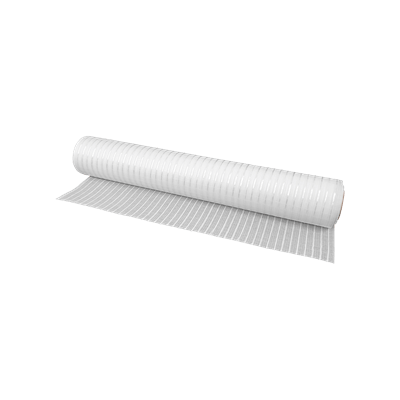
Protecting the roof was a crucial part of the project. Over 8,000 m2 of roof were waterproofed with Mapeplan T M (E), a synthetic membrane in flexible polyolefin FPO/TPO supplied by Polyglass. The use of induction welding made it possible to install both the Pur Plus insulation panels and the waterproofing membrane simultaneously, thereby minimising the perforations, evenly distributing the fixing points across the roof and increasing the overall durability of the system.
Pur Plus is a thermal insulation panel made of rigid, closed-cell PIR (rigid expanded polyurethane) polyiso foam, with a paper and foil facing on both sides. It is designed for the thermal insulation of roofs incorporating waterproofing systems made of synthetic membranes, self-adhesive bituminous membranes or traditional bituminous membranes that are not torched on.
To ensure perfect adhesion of the waterproof membrane to the metal drip edge, the contractors used Mapeplan ADS 200 policloroprenic monocomponent solvent adhesive. In a location associated with high environmental stresses, this combination of technologies offers reliable, low-maintenance, high-performance, long-lasting protection, which is essential for public infrastructures of this type.

Over 8,000 m2 of roof were waterproofed with Mapeplan T M (E), a synthetic membrane in flexible polyolefin FPO/TPO supplied by Polyglass. To ensure perfect adhesion of the membrane to the metal drip edge, the contractors used Mapeplan ADS 200 adhesive.
Responsible design choices
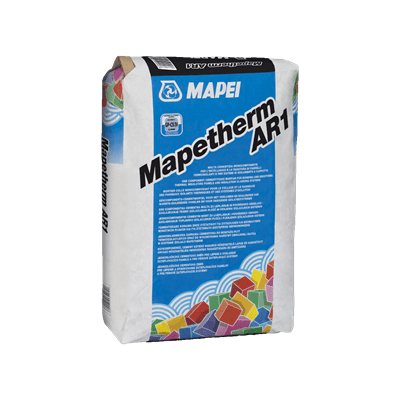
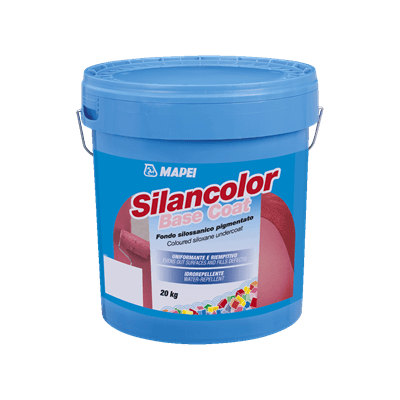
As well as the roofing, the project’s strength includes the external thermal insulation composite system (ETICS) with rock wool, installed across over 2,000 m2 of façade, using Mapei products from the Mapetherm System and the wall coatings line. This solution yields significant improvements in indoor thermal and acoustic comfort, while also protecting the building against hostile atmospheric conditions. The constant exposure to wind and salt typical of ocean islands made the use of reliable, durable materials, such as those included in the Mapetherm System, essential.
The design choices are not confined to meeting technical needs: the project also shows a clear commitment to reducing environmental impact and improving energy efficiency. The rock wool insulation helps reduce energy consumption for indoor heating and cooling, while the synthetic membrane on the roof ensures high waterproofing performance with low maintenance, thereby extending the roof’s service life and reducing the need to replace the materials. These solutions fully reflect the growing emphasis being placed on energy savings in public and infrastructure works, especially in island settings, where there is a particularly delicate balance with the natural environment.
Thanks to this redevelopment, Pico Airport is now a real ambassador for the island: a safe, welcoming, efficient infrastructure, with a contemporary image that interacts with the surrounding landscape. People arriving on the island now land at a terminal that combines style with functionality and reflects the Azores’ cultural and touristic appeal.
Pico airport, Azores (Portugal)
Period of the intervention: 2024-2025
Owner: Regional Government of the Azores, SATA
Works director: Mario Pita
Waterproofing and thermal insulation contractor: Spitex Lda
Mapei distributor: Spitex Lda
Mapei/Polyglass coordination: Ana Botelho, Mapei Portugal